
The priority is equipment availability and risk
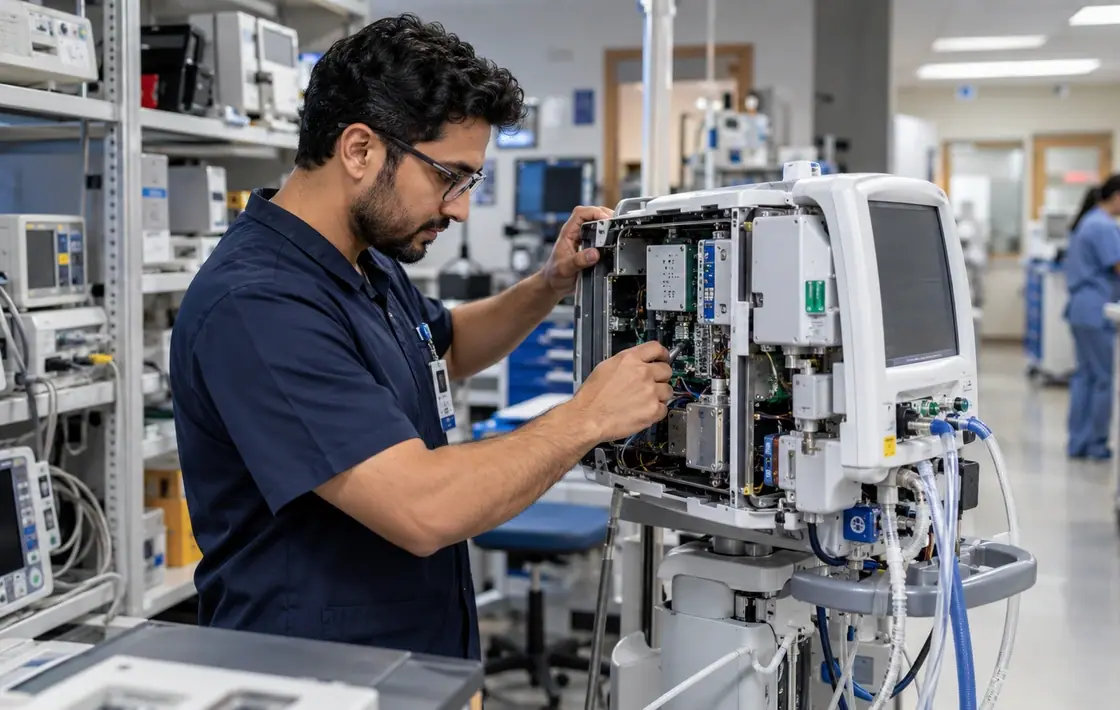
Clinical engineering covers asset registers, unique equipment identities, preventive maintenance, corrective work, safety inspection, calibration, spare parts and vendor support. The aim is not merely to store work orders, but to reduce care disruption caused by unavailable equipment.
From device records to campus-wide decisions
Manage assets by hospital, department, equipment family, risk tier and maintenance interval. Provide reliable views of downtime, overdue maintenance, service cost and replacement priorities across the network.
Connect equipment records to enterprise systems
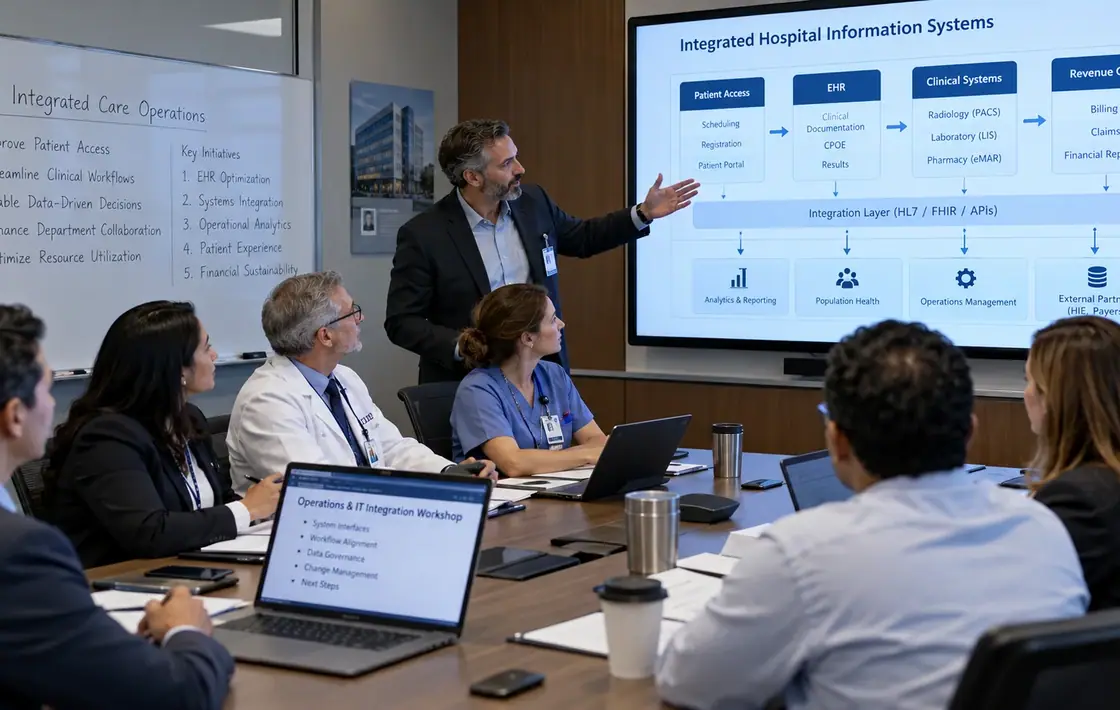
Integrate fixed assets, procurement, work orders, maintenance evidence and technician qualifications where practicable. Network-connected devices and any patient-related data require separate information security, safety and privacy assessment.
Professional responsibility remains clear
The application supports maintenance administration and risk-informed decisions; it does not replace qualified inspections, calibrations or clinical judgement. Acceptance can measure asset-record completeness, preventive-maintenance timeliness, repair turnaround and availability.
References & Further Reading
The following are public third-party resources. Their inclusion does not imply any partnership or endorsement.
Measure the outcome. Verify the improvement.
Recommendations must account for operating constraints, data reliability, ownership and agreed acceptance measures before they become workable business solutions.
Discuss Your Priorities ↗