
An asset inventory does not answer management’s biggest questions
Hospitals may know each device’s model, manufacturer and purchase date without knowing which equipment repeatedly fails, which inspections are overdue or how downtime affects patient access. Useful decisions require asset identities, maintenance events, usage, costs and risk classification, not merely a static list.
Build a traceable lifecycle record
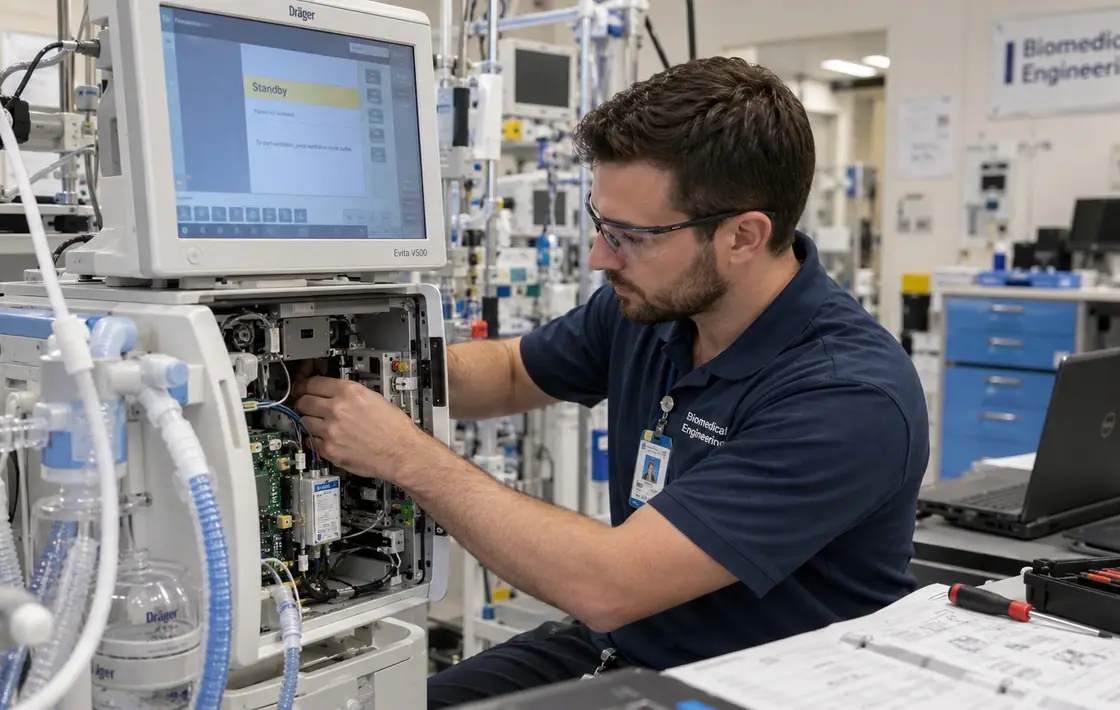
Capture requirements, procurement, acceptance, use, preventive maintenance, calibration, repair, transfer and retirement under a persistent equipment identifier. Multi-campus systems also need location, custody, service responsibility and inter-site movement. Trusted asset records usually matter more initially than predictive AI.
Connect maintenance to care delivery
Two hours of downtime do not mean the same thing for a rarely used back-up unit and a critical device with no substitute. Assess availability, failures, repair time, overdue maintenance and costs by equipment family and clinical criticality. Record who carried out regulated inspections and the evidence of completion.
Clinical engineering software is not a diagnostic system
A maintenance platform supports asset administration and risk-informed management. It does not independently certify clinical safety or replace qualified engineers, technicians or clinical teams. Network connections and patient-related data require explicit cybersecurity and privacy safeguards.
Use data to prioritise capital replacement
Replacement decisions should consider age, service cost, downtime, clinical significance, replacement options and expected demand. Age alone is a poor proxy for risk. A transparent evidence base helps capital-planning committees allocate investment more responsibly.
A practical implementation path
WHO guidance on equipment inventories and maintenance information systems provides useful background. Integrate site asset registers and work orders first, then extend to preventive-maintenance planning, spares, supplier performance and capital forecasting. Verify ownership and data quality at every phase.
Link work orders to risk and clinical impact
A maintenance record needs equipment ID, fault, report time, category, owner, action, parts, completion and release-to-use status. Priority should consider risk tier, availability of substitutes and service impact. Keep an auditable process for human review of prioritisation.
Interpret equipment KPIs in context
Availability, mean time to repair, breakdown frequency, maintenance compliance and cost must be segmented. A device not normally operated continuously needs a different denominator from critical monitoring equipment. Disclose estimates when utilisation data are unavailable.
Integration is harder than a single ticketing tool
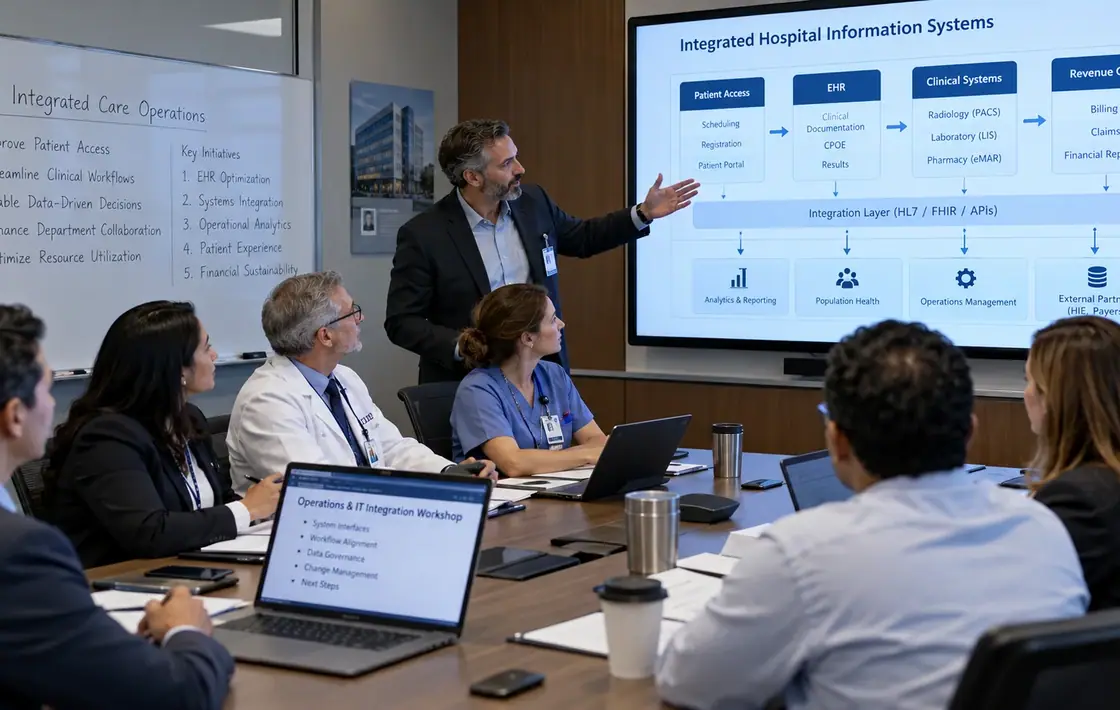
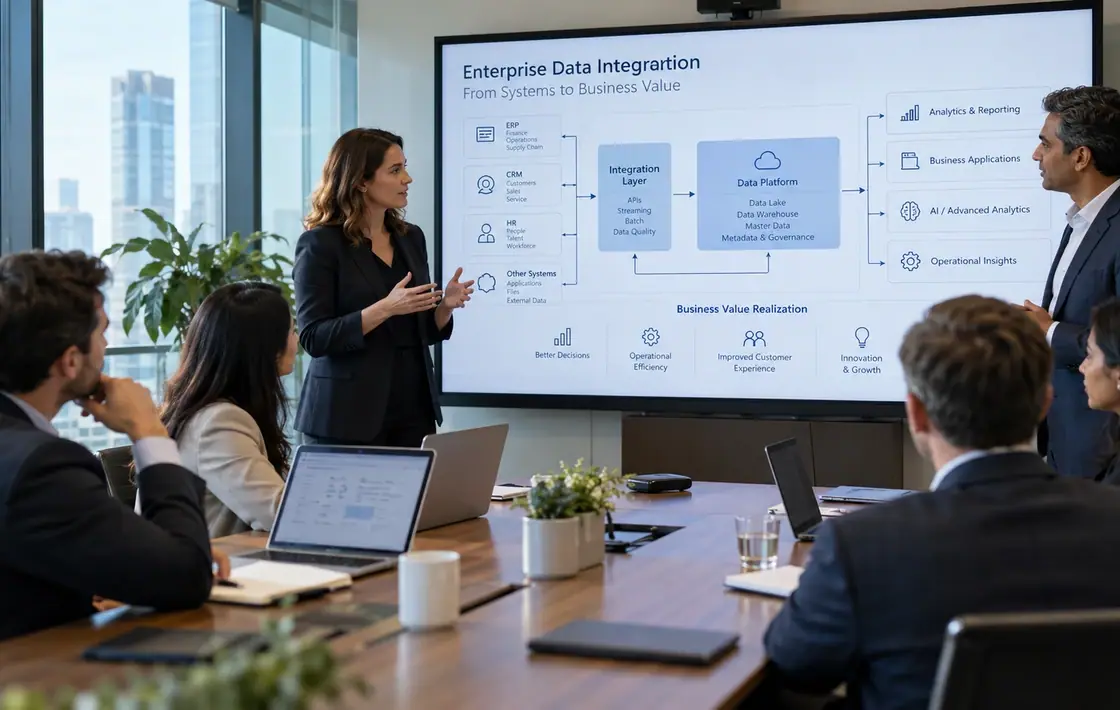
The same device may have separate identifiers in fixed assets, procurement, departmental inventories, vendors and work-order platforms. Define a governed asset ID and reconciliation process before aggregating performance. Connected medical devices also need careful network segregation and security assessment.
Lifecycle cost should drive replacement strategy
High maintenance expense alone is not enough. Combine age, fault frequency, spares availability, manufacturer support, workload, safety risk and future clinical capacity needs. The system should explain its ranking rather than automate purchasing or clinical decisions.
Outsourcing does not eliminate accountability
Hospitals still need the work history, response times, parts, verification and return-to-service status when vendors perform repairs. Distinguish contractor action, verification and institutional accountability. A closed vendor ticket is not itself proof of clinical readiness.
Predictive maintenance requires mature data
Many medical devices lack continuous condition sensing or enough failure history for robust prediction. Establish identifiers, scheduled maintenance and repair records first; then assess a limited group of high-impact devices with sufficient data. Specialist judgement still governs action.
Tailor dashboards to the audience
Executives need critical-equipment availability, overdue inspections, major outages and replacement exposure. Departments need appointment and substitution information; clinical engineering teams need work queues, qualifications and technical detail. One dense dashboard cannot serve all three roles well.
References & Further Reading
The following are public third-party resources. Their inclusion does not imply any partnership or endorsement.
Measure the outcome. Verify the improvement.
Recommendations must account for operating constraints, data reliability, ownership and agreed acceptance measures before they become workable business solutions.
Discuss Your Priorities ↗