
Healthcare managers must balance competing outcomes
Clinical quality and patient safety, service capacity, staffing, equipment availability, affordability and regulatory responsibilities are interconnected. Multi-site groups also need common definitions and comparable measures across hospitals while accounting for case-mix differences.
Four integrated service areas
Healthcare operations and management KPIs: patient flow, ED, beds, theatres, diagnostic services, workforce, productivity, cost and quality.
Clinical workforce optimisation and intelligent scheduling: acuity, competencies, shifts, work-hour rules, preferences and exception handling.
Multi-site human resources management: organisation, personnel records, appointments, changes, time and attendance, payroll interfaces, approvals and workforce analytics.
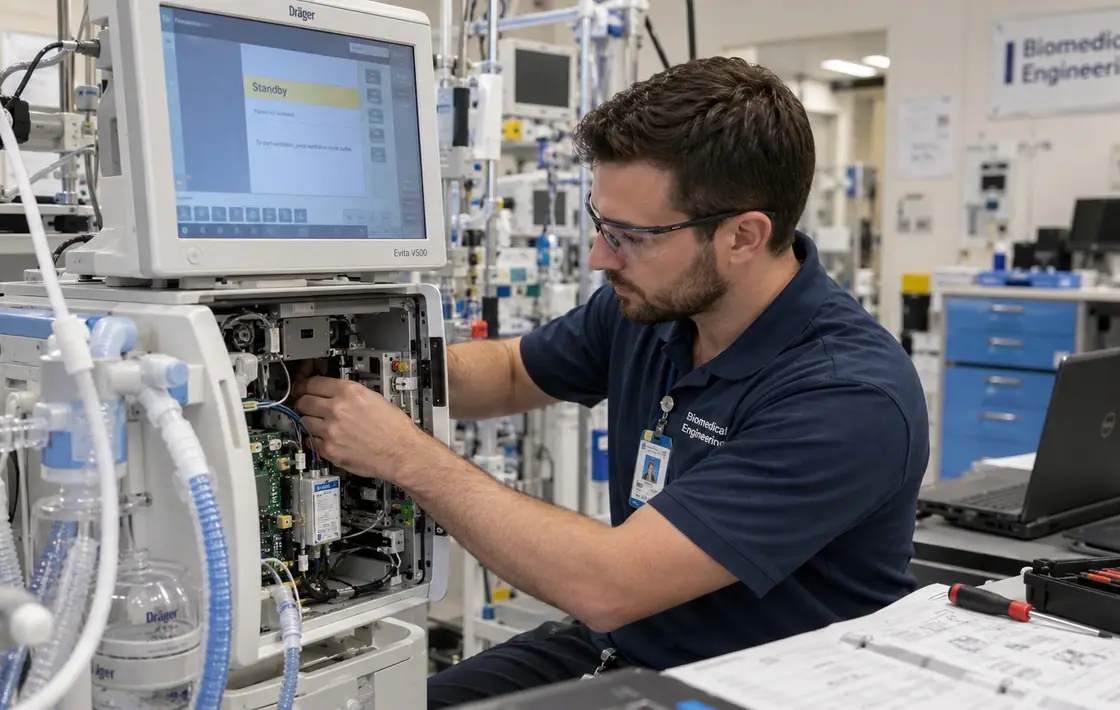
Medical equipment and clinical engineering management: lifecycle records, preventive maintenance, work orders, calibration, auditability and asset cost.
A framework that adapts to each market
Payment models, accreditation, nurse staffing rules, labour requirements and privacy obligations vary substantially across markets. Each solution must be designed around the regulations and care model relevant to the client’s jurisdiction.
Integrate with existing HIS, NIS and HR
We do not assume that established clinical applications must be replaced. First align personnel identifiers, organisations, professional categories, shifts, service volumes and asset records. Then define system ownership, interfaces, access controls and reconciliation responsibilities.
Measure the outcome. Verify the improvement.
Recommendations must account for operating constraints, data reliability, ownership and agreed acceptance measures before they become workable business solutions.
Discuss Your Priorities ↗